Introduction: Where Art Meets Architecture
In the world of luxury design, every element — from lighting to layout — tells a story. But few details shape that story as powerfully as art. The right artwork doesn’t just decorate a room; it defines its soul.
In recent years, minimalist art has become the language of modern luxury. Its clean lines, vivid contrasts, and emotional precision complement elegant spaces with quiet confidence. For artist Alex Di Silvestro, whose ICONIC ART blends minimalism with energy and emotion, art and architecture are inseparable.
“Luxury isn’t about abundance — it’s about balance. And minimalist art creates that balance.”
— Alex Di Silvestro
The Aesthetic Harmony of Minimalist Art
Luxury interiors rely on harmony — between texture and tone, light and shadow, color and space. Minimalist art achieves this harmony naturally.
Where traditional art might dominate a room, minimalist pieces anchor it. They allow furniture, materials, and lighting to breathe, while still commanding attention through form and composition.
1. The Power of Negative Space
Minimalist art embraces negative space — the areas left intentionally blank. In luxury interiors, these spaces become essential. They draw the eye, evoke calmness, and highlight architectural beauty.
A large, well-balanced minimalist canvas can transform even the busiest room into a sanctuary of stillness and refinement.
2. Color as Emotion
Minimalist art doesn’t rely on complexity; it relies on emotion through color. A single vivid tone or bold contrast can shift the entire mood of a room. Alex’s ICONIC ART, with its vibrant yet controlled palettes, infuses spaces with a sense of vitality while maintaining sophistication.
ICONIC ART and the Modern Interior
Alex Di Silvestro’s paintings were born from a designer’s mind and an artist’s heart — a rare combination that gives his work a unique architectural sensibility. His minimalist approach aligns naturally with the principles of luxury interior design: precision, balance, and emotional depth.
1. Clean Lines Meet Architectural Precision
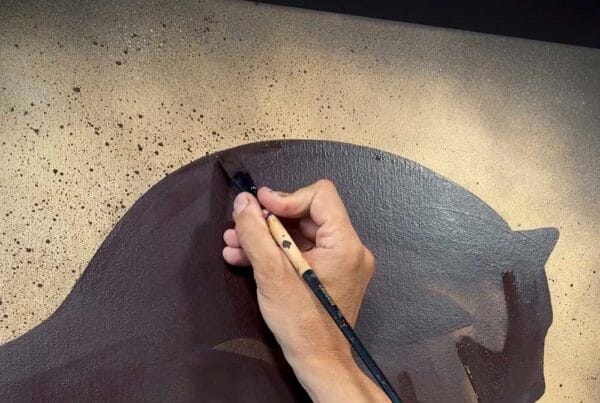
Each ICONIC piece features crisp geometry and deliberate composition. The absence of brushstrokes or clutter allows every curve and angle to interact seamlessly with the surrounding architecture.
Whether displayed in a penthouse, gallery, or coastal villa, the artwork feels designed for the space — not placed within it.
2. A Dialogue with Modern Materials
Minimalist paintings pair beautifully with materials like marble, glass, wood, and steel — all staples of luxury design. The artwork’s simplicity complements these textures without overpowering them, creating a visual conversation between natural and human-made beauty.
3. Emotional Energy for Timeless Spaces
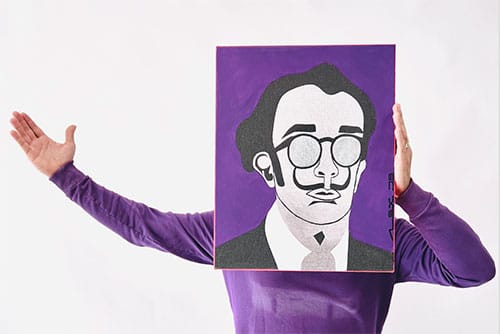
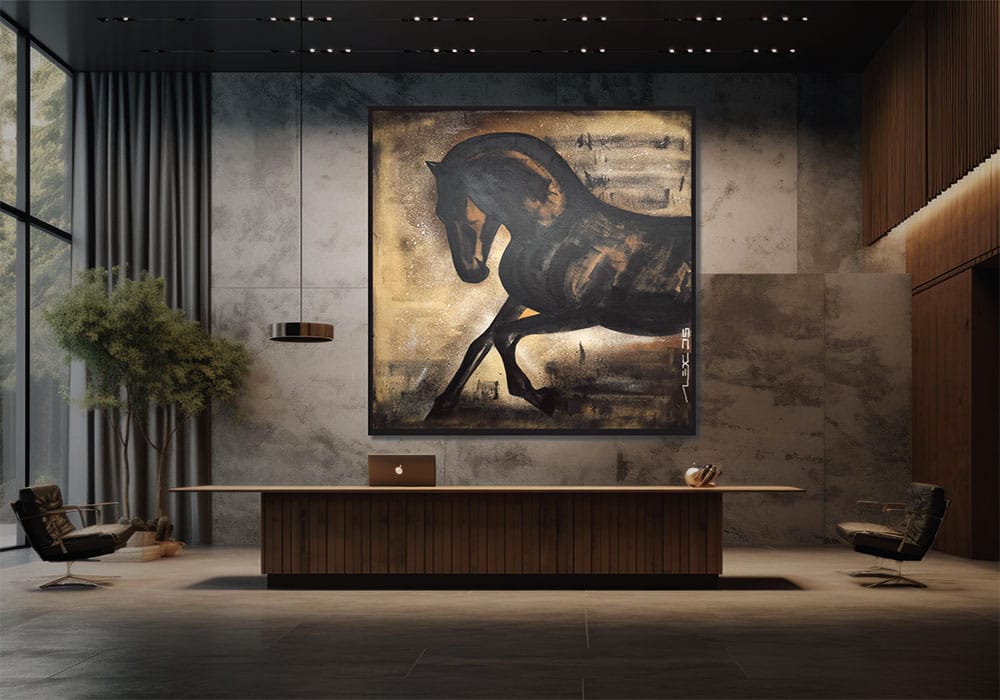
Though minimalist in form, ICONIC ART is emotionally rich. Each piece radiates energy — whether through the dynamic tension of a portrait or the calm power of a horse in motion. This emotional pulse gives life to interiors that might otherwise feel too sterile or polished.
“Great design should breathe. Minimalist art gives interiors a heartbeat.”
— Alex Di Silvestro
The Psychology of Minimalism in Design
Minimalism is more than an aesthetic; it’s a psychological experience. Studies show that uncluttered environments promote clarity, reduce stress, and elevate mood — qualities that define modern luxury living.
When used in interior design, minimalist art becomes a visual form of mindfulness. It encourages the viewer to pause, reflect, and engage emotionally with the space.
Luxury isn’t about visual overload — it’s about creating meaningful calm. And that’s precisely what minimalist art delivers.
Why Collectors and Designers Choose Minimalism
1. It Complements Any Style
Minimalist art is endlessly adaptable. Whether placed in a sleek modern home, a restored heritage property, or a contemporary office, it enhances the space without dictating its style.
Designers appreciate its versatility — collectors value its timelessness.
2. It Adds Value Without Clutter
In luxury real estate, simplicity often increases perceived value. A single striking minimalist piece can elevate a space’s atmosphere more effectively than multiple ornate artworks.
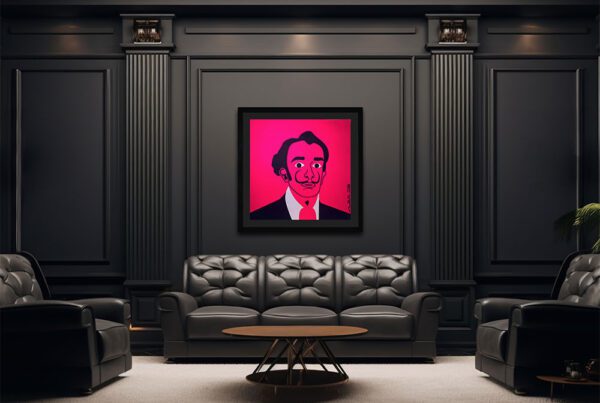
ICONIC ART pieces, for instance, are frequently chosen for boutique hotels, architectural homes, and design studios for their ability to add sophistication without distraction.
3. It Represents Modern Identity
Minimalism reflects today’s cultural values — clarity, authenticity, and focus. Owning minimalist art is more than a design choice; it’s a lifestyle statement. It says: “I value quality over quantity, emotion over excess.”
The Perfect Balance: Minimalism and Luxury
At its core, luxury design is about experience — how a space makes you feel. Minimalist art deepens that experience by adding presence without noise.
Imagine walking into a living room with sunlight filtering across neutral tones, textures of marble and wood, and a single bold painting by Alex Di Silvestro — a splash of vibrant color, precise and alive. The art doesn’t compete; it completes.
This is the essence of quiet luxury — where beauty is subtle, and meaning is deep.
How to Integrate Minimalist Art Into Interiors
For collectors, designers, and homeowners looking to incorporate minimalist art into their spaces, consider these design principles:
- Let the art breathe.
Give the piece space — avoid crowding it with furniture or other artworks. - Play with contrast.
Pair minimalist art with textured or natural materials for a rich sensory balance. - Align color with emotion.
Choose tones that complement the room’s atmosphere — cool hues for calm, warm tones for vitality. - Think in scale.
Large canvases make powerful statements in spacious interiors, while smaller pieces work beautifully in intimate corners or hallways. - Use lighting intentionally.
Proper lighting enhances form and color, revealing subtle depth even in minimalist compositions.
By following these principles, minimalist art becomes not just décor, but a living part of the architecture.
ICONIC ART: Minimalism with a Soul
Alex Di Silvestro’s ICONIC ART stands apart because it merges design intelligence with emotional storytelling. His works aren’t cold expressions of form — they’re reflections of energy, identity, and life.
From the ICONIC PORTRAITS to ICONIC HORSES and ICONIC NATIVES, each collection embodies balance: modern yet human, structured yet free. This duality is what makes his art so compelling in luxury interiors — it adds both serenity and personality.
“In every minimalist space, there’s a pulse waiting to be felt. My art exists to reveal that heartbeat.”
— Alex Di Silvestro
Conclusion: The Art of Subtle Power
Minimalist art belongs in luxury interiors because it speaks the same language — the language of refinement, restraint, and emotion. It transforms empty walls into expressions of peace, turning living spaces into visual poetry.
Through ICONIC ART, Alex Di Silvestro continues to prove that simplicity isn’t the absence of complexity — it’s the mastery of it.
In the world of design, where trends come and go, minimalist art endures — because true luxury is timeless, and less will always be more.
Written by:
Alex Di Silvestro Studio Team